
When to Go Where: A Year of Perfectly Timed Bucket-List Travel

Updated: Jan 6
There are trips… and then there are moments.
The kind that stop you in your tracks. The kind you still talk about years later. Watching the northern lights ripple overhead. Standing in a candlelit cemetery during Day of the Dead. Seeing wildlife so close, it doesn’t feel real. These aren’t random vacations—they’re experiences that only happen at the right place, at the right time.
That’s what this guide is about.
Below is a curated, month-by-month travel calendar of the world’s most iconic experiences—each chosen because timing matters. Miss the window and the magic fades. Hit it right, and you’re rewarded with something unforgettable.
If you’ve ever said, “someday I want to do that,” this is your sign to start choosing your someday—with intention.
January
Northern Lights (Aurora Borealis)

Peak Times:
Late September–late March, with January offering the longest dark nights
Best viewing typically 9:00 PM–2:00 AM, weather and solar activity permitting
Best Destinations:
Tromsø, Norway – Under the auroral oval with excellent chase infrastructure and fjord access
Alta, Norway – Drier inland climate and fewer city lights than Tromsø
Saariselkä / Levi, Finnish Lapland – Low light pollution, forest-and-lake viewing, purpose-built aurora lodges
Thingvellir / Golden Circle (Iceland) – Dark-sky access paired with waterfalls, glaciers, and geothermal sights (distance from Reykjavík lights matters)
What it’s like (the real experience):
This is a hunt, not a show. You watch forecasts, wait out clouds, then the sky starts to move—subtle at first, then suddenly alive with curtains of green, purple, and pink. When it happens, it’s quiet, electric, and unforgettable.
How to do it well:
Stay 3–5 nights in one base to increase your odds
Get away from light pollution, even in small towns
Dress for stillness: thermal base layers, down insulation, insulated boots, mittens
Expert Planning Tips:
Weather matters as much as solar activity; flexibility wins
Inland locations often outperform coastal ones in cloudy conditions
Plan daytime Arctic experiences (sledding, snowshoeing, saunas) so nights stay relaxed
Avoid single-night “drive-by” aurora plans; odds improve dramatically with multiple nights
Harbin International Ice & Snow Sculpture Festival (China)

Peak Times:
Early January–early February
Best visual impact after dark, when the sculptures are fully illuminated
Coldest weeks (mid–late January) preserve the clearest detail
Best Destinations:
Ice and Snow World (Harbin Ice Festival Park) – the main event with massive illuminated structures
Zhaolin Park – more artistic, detailed ice sculptures
Sun Island – large-scale snow sculptures (daytime contrast to ice at night)
What it’s like (the real experience):
This isn’t a “festival,” it’s a temporary city made of ice. You walk through glowing castles, towers, bridges, and slides while your breath freezes in the air. It feels surreal, almost unreal, especially after sunset when the lights turn everything neon-blue, pink, and gold.
How to do it well:
Visit Ice and Snow World twice: once to explore slowly, once to focus on photos
Go right after sunset for the best balance of light and crowds
Layer properly: thermal base, down insulation, insulated boots, face covering, gloves rated for extreme cold
Plan indoor warm-up breaks to avoid rushing the experience
Expert Planning Tips:
Harbin routinely hits -20°C / -4°F or colder. Clothing strategy is not optional.
Stay near the Songhua River / central districts to minimize transit time in extreme cold.
Build this into a larger China itinerary (Beijing, Shanghai) so the cold feels like a highlight, not the whole trip.
Avoid late February if temperatures spike; melting degrades the sculpture detail.
Japanese Snow Monkeys (Jigokudani, Nagano)

Peak Times:
January–February for the most reliable snow cover
Early morning offers fewer visitors and more active soaking behavior
Best Destinations:
Jigokudani Monkey Park (Nagano Prefecture) – The only place in Japan where wild macaques are known to regularly bathe in natural hot springs
Shibu Onsen & Yudanaka Onsen – Ideal nearby bases with traditional ryokan stays and easy access to the park
What it’s like (the real experience):
You walk a snowy forest trail, steam rising ahead, then suddenly you’re face-to-face with macaques lounging in a hot spring like they’ve had a long day at work. It’s quiet, slightly surreal, and feels more like observing a moment than visiting an attraction.
How to do it well:
Visit early in the day before tour groups arrive
Allow time to linger; the best moments happen when you stop rushing
Pair the visit with a traditional ryokan stay and your own onsen experience
Respect the rules: no touching, no food, no eye contact (the monkeys take boundaries seriously)
Expert Planning Tips:
Snow is not guaranteed every day; colder stretches increase soaking behavior
Stay nearby overnight instead of day-tripping from Tokyo for a calmer experience
Combine with Nagano culture (Zenko-ji Temple) or winter scenery for balance
Winter footwear with good traction matters; the trail can be icy
Salar de Uyuni Mirror Effect (Bolivia)
Peak Times:
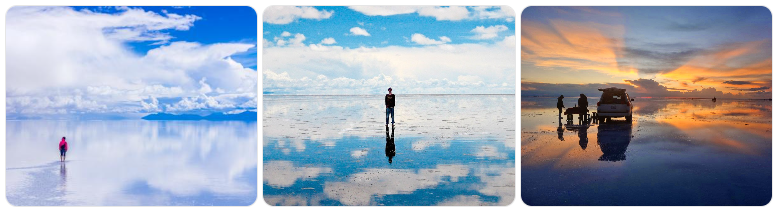
January–February for the highest probability of full mirror conditions
Best light at sunrise and sunset, when colors and symmetry are strongest
Conditions depend on recent rainfall , creating a thin layer of water (not flooding)
Best Destinations:
Salar de Uyuni (southwestern Bolivia) – The world’s largest salt flat and the only place where the mirror effect reaches this scale
Central salt flat zones – Shallow standing water here produces the cleanest, most dramatic reflections
Uyuni town – Primary gateway for guided multi-day excursions into the flats
What it’s like (the real experience):
The horizon disappears. Sky and earth merge into one endless reflection, and suddenly you’re standing inside the clouds. Mountains float upside down. Your footsteps vanish behind you. Sound feels muted, as if the world has gone still. As the sun rises or sets, the colors deepen—blue into gold into pink—until it feels less like a landscape and more like a dream you somehow stepped into.
How to do it well:
Book a 2–3 day guided tour to maximize chances of mirror conditions
Plan sunrise or sunset outings specifically for reflection viewing
Wear solid, bold colors for striking contrast in photos
Expect simple lodging—this experience is about place, not polish
Expert Planning Tips:
January offers the best balance of rainfall and accessibility for mirror conditions
Weather can cause delays; buffer days are essential
The mirror effect requires a thin water layer—too dry or too flooded both reduce impact
Flexibility is the difference between “nice” and truly unforgettable here
February
Venice Carnival (Italy)

Peak Times:
Final 7–10 days leading up to Fat Tuesday (dates vary each year)
The most iconic atmosphere builds over the last weekend
Best Destinations:
St. Mark’s Square – The heart of daytime pageantry and classic Carnival scenes
Historic palazzos – Evening masquerade balls and candlelit events
Grand Canal & quiet campos – Where unscripted, intimate moments happen
What it’s like (the real experience):
You turn a corner and Venice feels… different. A figure in an elaborate mask stands silently by a canal. A ripple of silk disappears into a narrow alley. Bells echo somewhere you can’t quite place. There’s no stage, no parade route to follow—Carnival happens around you. By day, the city feels theatrical and mysterious. By night, it becomes candlelit, hushed, and slightly unreal, as if Venice has decided to let you borrow one of its centuries-old secrets.
How to do it well:
Stay on the islands, not on the mainland, so nights don’t end early
Choose one anchor experience: a masquerade ball, costume rental with photos, or a ticketed event
Wander early mornings for moody light and fewer crowds
Let yourself get lost—Carnival rewards curiosity, not schedules
Expert Planning Tips:
Lodging location matters more than luxury level
Costume rentals elevate the experience instantly and sell out early
Even a simple mask changes how you’re perceived—and how the city responds
Pair Carnival with a quieter destination afterward to balance energy
Mardi Gras (New Orleans, Louisiana)

Peak Times:
The 10–12 days leading up to Fat Tuesday
Peak intensity builds Thursday through Fat Tuesday, with parades day and night
Best Destinations:
Uptown (St. Charles Avenue) – Grand floats, wide viewing areas, family-friendly parade traditions
French Quarter – Late-night energy, music spilling into the streets, iconic balconies
Marigny & Bywater – More local, creative, neighborhood-style celebrations
What it’s like (the real experience):
You hear it before you see it—drums echoing down the avenue, cheers rolling through the crowd, the sudden shimmer of a float rounding the corner. Strangers call out to each other like old friends. Beads fly. Ladders line the street. There’s music everywhere and nowhere at once. Mardi Gras isn’t one party—it’s hundreds of traditions happening simultaneously, layered over generations of ritual, pride, and joy. It feels chaotic, welcoming, loud, and strangely personal all at the same time.
How to do it well:
Pick one primary parade area and commit to it instead of bouncing all over
Watch at least one daytime Uptown parade and one evening parade for contrast
Eat early or late; parade schedules reshape the entire city
Build in downtime—Mardi Gras is exhilarating, but it’s a marathon
Expert Planning Tips:
Hotel location determines everything: parade routes matter more than distance to nightlife
Parades are scheduled, but timing shifts; flexibility keeps the experience fun
Uptown offers more space and structure; the Quarter delivers atmosphere
Add a post-Mardi Gras escape (plantation country, the Gulf Coast) to decompress
Whale Watching (Hawaiʻi)

Peak Times:
Mid-January through March, with February offering the highest concentration of whales
Best conditions typically morning hours, when seas are calmer and visibility is clearer
Best Destinations:
Maui (Auʻau Channel) – The single best whale-watching location in Hawaiʻi due to shallow, protected waters between Maui, Lānaʻi, and Molokaʻi
West & South Maui (Lahaina, Kā‘anapali, Wailea) – Consistently strong sightings, even from shore
Big Island – Kohala Coast – Excellent offshore encounters, fewer boats, dramatic backdrops
Lānaʻi (day trip from Maui) – Intimate viewing zones with less traffic
What it’s like (the real experience):
The ocean looks calm… and then it erupts. A massive humpback launches itself out of the water, crashing back down with a sound you feel in your chest. A tail lifts slowly, deliberately, as if the whale knows you’re watching. Calves surface beside their mothers, practicing tiny breaches that somehow steal the show. Sometimes the best moments happen before you even board a boat—standing on a Maui shoreline, coffee in hand, watching whales breach offshore like it’s the most normal thing in the world.
How to do it well:
Book one boat tour and allow time for shore-based viewing (Maui excels at both)
Choose smaller vessels for a closer-to-the-water experience
Sit patiently—whales surface on their own timeline, not yours
Bring layers and sun protection; you’ll be out longer than you expect
Expert Planning Tips:
Maui outperforms O‘ahu and Kaua‘i for sheer volume and proximity
Morning tours reduce motion discomfort and improve sightlines
February offers peak whale activity and fewer holiday crowds than January
Pair whale watching with snorkeling or coastal drives for a well-paced island itinerary
March
Holi Festival (India)

Peak Times:
One day in March, set by the Hindu lunar calendar (date changes yearly)
Celebrations often begin the evening before with Holika Dahan (bonfires), then explode into color the next morning
Best Destinations:
Vrindavan – The most spiritually intense and emotionally rich Holi celebrations
Mathura – Deeply traditional, tied to Krishna lore, vibrant but meaningful
Jaipur – A more organized, visitor-friendly version with cultural performances
Delhi (select neighborhoods) – Accessible logistics with curated experiences
What it’s like (the real experience):
It starts quietly—smoke curling from bonfires as stories are told and prayers are offered. Then morning comes, and the world changes color. Music spills into the streets. Laughter echoes between buildings. Strangers reach out with handfuls of powdered pigment, smiling as they say “Happy Holi,” and suddenly you’re no longer watching—you’re part of it. By the end of the day, your clothes are unrecognizable, your skin stained pink and gold, and you realize you’ve just experienced celebration as connection, not spectacle.
How to do it well:
Choose one primary city instead of bouncing between locations
Participate in the morning, then retreat by afternoon when energy peaks
Wear clothes you’re prepared to leave behind
Experience Holika Dahan the night before for cultural context
Expert Planning Tips:
Location choice defines tone: Vrindavan and Mathura are immersive and intense; Jaipur is structured and approachable
Private guides and hosted experiences dramatically improve comfort and safety
Build recovery time into the itinerary—Holi is joyful but physically demanding
Pair Holi with the Golden Triangle (Delhi–Agra–Jaipur) for balance
Antelope Canyon Light Beams (Arizona, USA)

Peak Times:
Late March–early October, with the strongest beams from late March through June
Prime beam window is midday (roughly 11:00 AM–1:30 PM) when the sun is high enough to penetrate the canyon
Best Destinations:
Upper Antelope Canyon – Narrower slot geometry produces the most dramatic, well-defined light beams
Specific midday time slots within Upper Antelope (not Lower) are essential for beam visibility
Page, Arizona as the base for access to tours and nearby viewpoints
What it’s like (the real experience):
At first, it’s just stone—smooth, sculpted, glowing softly in warm shades of orange. Then a guide tosses sand into the air, and suddenly the canyon comes alive. A shaft of light appears, solid and almost touchable, cutting through the darkness like a spotlight. Dust sparkles as it drifts downward. Voices quiet. Cameras lower. For a moment, the canyon feels sacred, as if it’s revealing something it only shows for a few minutes a day.
How to do it well:
Book a midday Upper Antelope Canyon tour specifically labeled for light-beam viewing
Allow extra time in Page so you’re not rushed by weather or road conditions
Bring a camera or phone capable of handling low light and contrast
Combine with Horseshoe Bend at sunset for a perfectly paced day
Expert Planning Tips:
Light beams are sun-angle dependent, not guaranteed every day
Cloud cover can mute or eliminate beams even during peak season
Lower Antelope Canyon is beautiful but does not produce the same beam effect
Permits are required and tours sell out months in advance during peak months
Early Cherry Blossoms (Southern Japan)

Peak Times:
Mid–late March (varies yearly by weather)
Bloom opens earlier here than in central Japan, often 7–14 days ahead of Tokyo/Kyoto
Best Destinations:
Fukuoka (Maizuru Park & Ohori Park) – Dense clusters around castle ruins and water, easy access, festive hanami atmosphere
Kagoshima (Sakurajima backdrop) – Early blooms framed by an active volcano and subtropical light
Kumamoto (Kumamoto Castle) – Elevated setting with sweeping views and strong bloom density
What it’s like (the real experience):
Spring arrives quietly. One morning the parks feel different—petals drifting like snow, food stalls opening, families laying out picnic blankets. Locals pause on their commute to look up. There’s a softness to everything: light, conversation, time. You realize the beauty isn’t just the blossoms—it’s how the country collectively slows down to notice them.
How to do it well:
Choose southern cities specifically to beat the main-season crowds
Plan evening visits for illuminated blossoms and a calmer pace
Build flexibility into your route; blooms can shift by a few days
Pair with regional food experiences—spring menus matter here
Expert Planning Tips:
Follow local bloom reports rather than national headlines; southern regions move first
Early-season blossoms mean easier hotel availability than peak April dates
One southern base beats rushing north; depth over distance wins
Combine with hot springs or coastal stops for balance
April
Cherry Blossom Peak (Tokyo & Kyoto, Japan)
Peak Times:
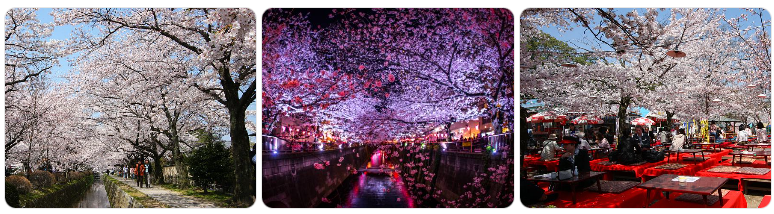
Late March–early April, with peak bloom typically lasting 5–10 days
Exact timing shifts yearly based on winter temperatures and early spring weather
Best Destinations:
Kyoto – Philosopher’s Path & Maruyama Park – Traditional streets, temples, and canals create the most iconic scenes
Tokyo – Ueno Park & Meguro River – Dense blossom corridors, lively hanami energy, and nighttime illuminations
Osaka – Osaka Castle Park (optional add-on) – Sweeping views with historic backdrops
What it’s like (the real experience):
For a brief window, Japan turns soft and pink. Petals float through the air like confetti. Parks fill with quiet laughter, shared meals, and an unspoken agreement to slow down. Office workers linger after hours. Families picnic beneath the trees. At night, lanterns glow and blossoms shimmer, reflected in rivers and canals. It feels fleeting—because it is—and that’s exactly why it’s unforgettable.
How to do it well:
Split time between Tokyo and Kyoto for contrast: modern energy vs. timeless calm
Visit popular spots early morning or after sunset to avoid peak crowds
Plan one hanami picnic and one evening illumination
Stay near blossom corridors so you’re not racing trains during peak days
Expert Planning Tips:
Flexibility is everything; shifting cities by a day can save the experience
Peak bloom does not equal first bloom—full bloom is the visual sweet spot
Hotels book far in advance; location matters more than luxury tier
Pair blossoms with tea ceremonies, temple visits, or spring cuisine for depth
Tulip Season (Netherlands)

Peak Times:
Mid–late April is the visual sweet spot
Overall season runs late March–early May, but color density peaks once temperatures stabilize
Best Destinations:
Keukenhof Gardens (Lisse) – Curated displays with guaranteed peak blooms
Bollenstreek (Bulb Region) – Endless commercial fields surrounding Lisse for wide-open landscapes
Noordoostpolder (less crowded alternative) – Vast fields with fewer tour buses and bigger skies
What it’s like (the real experience):
You crest a small hill or turn a quiet country road and suddenly the world is color. Rows of red, yellow, pink, and purple stretch toward the horizon in perfect lines, broken only by canals and windmills. It smells like spring. Bikes glide past. Farmers work the fields while visitors stand silently, trying to take it all in. It’s orderly, joyful, and unmistakably Dutch.
How to do it well:
Visit Keukenhof early on a weekday for calmer paths and better photos
Rent bikes or hire a driver to explore the surrounding fields at your own pace
Combine gardens and working fields—each offers a different perspective
Watch the weather; sunshine dramatically changes how the colors photograph
Expert Planning Tips:
Bloom timing varies by temperature; flexibility within April matters
Fields are agricultural land—view respectfully and stay off planted rows
Keukenhof guarantees blooms; fields do not—do both for balance
Pair with Amsterdam, Haarlem, or a countryside stay for easy access and pacing
Semana Santa (Holy Week) – Spain & Guatemala

Peak Times:
Palm Sunday through Easter Sunday (dates vary yearly)
Most intense processions occur Maundy Thursday and Good Friday, often late into the night
Best Destinations:
Seville, Spain – Grand processions with massive pasos, brass bands, and candlelit streets
Málaga, Spain – Dramatic coastal setting with powerful nighttime processions
Antigua, Guatemala – Iconic alfombras (intricate sawdust carpets) laid across cobblestone streets
What it’s like (the real experience):
The city goes quiet—then a drumbeat breaks the silence. Candles flicker. A procession turns the corner, carried slowly by dozens of people moving as one. Incense hangs in the air. Balconies fill with onlookers who don’t speak, they watch. In Antigua, streets become temporary works of art, only to be walked over and erased hours later. It’s solemn, beautiful, emotional—and completely absorbing.
How to do it well:
Choose one city and stay put; moving between towns is nearly impossible during Holy Week
Watch at least one late-night procession for the most powerful atmosphere
Secure lodging within walking distance of historic routes
Balance viewing with quiet breaks—this week is intense in the best way
Expert Planning Tips:
Hotels sell out months (sometimes a year) in advance in Seville and Antigua
Procession schedules are published, but exact timing shifts—flexibility matters
Respectful dress and demeanor are expected; this is a religious observance, not a parade
Pair with a quieter destination afterward (coast or countryside) to decompress
Galápagos Islands (Ecuador)

Peak Times:
April (sweet spot between wet and dry seasons)
Warm air and water, calmer seas, excellent visibility for snorkeling
Best Destinations:
Galápagos Islands (central & western itineraries) – Overlapping wildlife cycles deliver the broadest variety in the shortest time
Isabela & Fernandina – Marine iguanas, flightless cormorants, and nutrient-rich waters
Santa Cruz & nearby islets – Giant tortoises, sea lions, and active seabird colonies
What it’s like (the real experience):
April feels alive in every direction. You slip into warm, clear water and sea lions spiral around you like curious puppies. On land, marine iguanas guard nests, blue-footed boobies dance, frigatebirds inflate crimson chests, and tortoise trails crisscross green highlands. The islands look freshly washed, colors saturated, life everywhere. It’s not one highlight—it’s a constant cascade of “wait… did you see that?”
How to do it well:
Choose an itinerary (or cruise class) that balances landings and snorkeling time
Prioritize central/western islands for maximum species overlap
Pack for sun and water: rash guard, reef-safe sunscreen, quick-dry layers
Allow time to linger—April rewards patience with repeated encounters
Expert Planning Tips:
April delivers warm, calm seas without the colder Humboldt current months
Wildlife activity overlaps heavily: nesting, courting, chicks, juveniles, and abundant marine life
Demand is strong but typically less extreme than June–August or Christmas, with excellent value for the quality
If choosing one month for a first (and likely once-in-a-lifetime) Galápagos trip focused on maximum diversity + great water conditions, April is the strongest single pick
May
Safari Green Season (East Africa)

Peak Times:
Late April through May (between the long rains and peak migration season)
Wildlife activity is strong, landscapes are lush, and crowds are at their lowest
Best Destinations:
Central Serengeti (Tanzania) – Reliable wildlife density year-round due to permanent water sources
Ngorongoro Crater (Tanzania) – One of the highest concentrations of wildlife in Africa, excellent visibility even in green season
Maasai Mara (Kenya) – Fewer vehicles, dramatic skies, and resident big cats before migration crowds arrive
What it’s like (the real experience):
The savanna is alive with color. Grass is tall and green, skies shift from blue to stormy in minutes, and the air feels electric. You’ll see newborn animals wobbling beside their mothers, predators lounging in the shade, and landscapes that look freshly painted. With fewer safari vehicles, encounters feel intimate—quiet moments where it’s just you, the guide, and the wild.
How to do it well:
Stay in permanent lodges or well-located camps with good road access
Embrace afternoon breaks; short rains often pass quickly
Focus on resident wildlife rather than long-distance migration
Bring neutral layers and waterproof gear for brief showers
Expert Planning Tips:
Green season offers better value and fewer crowds without sacrificing sightings
Photography is exceptional thanks to dramatic skies and vibrant landscapes
Road conditions vary; experienced guides make a huge difference
Pair with Zanzibar or the Kenyan coast for a balanced wildlife + beach itinerary
Mediterranean Shoulder Season (Italy, Greece, Spain & France)

Peak Times:
Mid-May through early June
Warm days, cool evenings, and the calm before peak summer crowds
Best Destinations:
Amalfi Coast, Italy – Coastal roads reopen fully, flowers bloom, and villages feel lively but not overwhelmed
Greek Islands (Cyclades like Santorini & Paros) – Clear skies, comfortable temperatures, and uncrowded viewpoints
Costa Brava, Spain – Dramatic coastline with coastal paths and quiet coves before European summer holidays
French Riviera – Café culture, coastal walks, and early beach days without July–August congestion
What it’s like (the real experience):
Mornings start slow—espresso in a quiet piazza, shutters opening one by one, the sea still glassy from the night before. By afternoon, you’re wandering cliffside paths or swimming in water that’s just warming enough to invite you in. Evenings belong to long dinners, sea breezes, and the feeling that you’ve arrived just before everyone else figured it out.
How to do it well:
Choose one region instead of hopping countries; depth beats distance
Mix coast and inland towns for variety and pacing
Walk whenever possible—this is the season for exploring on foot
Book coastal stays with views rather than beachfront crowds
Expert Planning Tips:
Ferry schedules and coastal roads are fully operational again
Sea temperatures vary; southern destinations warm earlier
Shoulder season pricing offers better lodging options in prime locations
Pair iconic coastlines with lesser-known villages for a richer experience
Cinco de Mayo (Puebla, Mexico)
Peak Times:
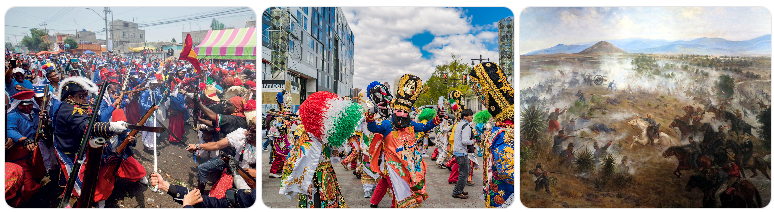
May 5 (with events and festivities building in the days just before)
Morning through early afternoon for reenactments; evening for parades and city celebrations
Best Destinations:
Puebla City – The heart of the celebration, where the Battle of Puebla actually took place
Fort Loreto & Fort Guadalupe – Historic sites of the 1862 battle, focal point for reenactments
Historic Center of Puebla – Parades, performances, and cultural events
What it’s like (the real experience):
Drums roll across the city as uniforms from another century march into view. Smoke rises from reenactments on the hillside forts while crowds cheer below. In the streets, music, color, and pride fill the air. This isn’t a party for tourists—it’s a day of remembrance and identity. Between events, the city hums with energy: families gathering, flags waving, and the smell of mole poblano drifting from open kitchens.
How to do it well:
Focus your stay in Puebla, not Mexico City, for authenticity
Attend the battle reenactment in the morning, then explore the city center later
Balance events with Puebla’s food scene—this is one of Mexico’s culinary capitals
Walk whenever possible; central streets close for celebrations
Expert Planning Tips:
Cinco de Mayo is not widely celebrated across Mexico—Puebla is the exception
Hotels fill quickly around the historic center; location matters
Combine with nearby Cholula for pyramids and views of Popocatépetl
Pair Puebla with Mexico City before or after for a culturally rich itinerary
June
Midnight Sun (Iceland & Norway)

Peak Times:
Late May–mid July, with the strongest effect in June
Around the summer solstice (June 20–21) when daylight is longest
Best Destinations:
Lofoten Islands, Norway – Dramatic peaks and beaches bathed in golden light at all hours
North Cape (Nordkapp), Norway – One of Europe’s northernmost viewpoints with uninterrupted sun
North Iceland (Akureyri & Lake Mývatn) – Arctic Circle latitude with geothermal landscapes and fewer crowds than Reykjavík
What it’s like (the real experience):
Time loses its grip. You check your watch and it’s midnight—yet the sky glows like early evening. Locals hike, kayak, and fish long after dinner. Shadows stretch endlessly. There’s a calm, slightly surreal feeling, like the world forgot to turn the lights off. You don’t rush because you don’t have to. The day simply… keeps going.
How to do it well:
Plan outdoor activities late at night when crowds thin and light turns soft
Use blackout curtains or eye masks for sleep (seriously)
Base yourself north of the Arctic Circle for true midnight sun
Build flexible days—this phenomenon invites spontaneity
Expert Planning Tips:
Lofoten delivers the most photogenic landscapes under midnight light
Iceland’s north outperforms the south for uninterrupted sun and quieter roads
Weather changes fast; layers matter even in summer
Pair midnight sun with hikes, coastal drives, or kayaking—this light begs to be used
Stonehenge Summer Solstice (England)

Peak Times:
June 20–21, centered on the summer solstice sunrise
Best moment is pre-dawn through sunrise, when alignment occurs
Best Destinations:
Stonehenge Inner Circle (special solstice access) – Closest possible experience to the stones during public-access hours
Surrounding Salisbury Plain viewpoints – Wider perspectives with fewer crowds
Salisbury – Ideal base town for early-morning access and easy logistics
What it’s like (the real experience):
Long before sunrise, people gather quietly in the dark. The air feels expectant. Then the horizon lightens, and as the sun breaks through, it aligns perfectly with stones placed thousands of years ago. There’s no narration, no countdown—just a shared, hushed awareness that you’re witnessing something ancient, intentional, and deeply human. For a few minutes, time feels layered, as if past and present are standing together.
How to do it well:
Arrive very early; the experience begins long before the sun appears
Dress for cold, even in June—standing still before dawn chills quickly
Experience the solstice once, then explore Stonehenge again on a standard visit for context
Pair with Avebury or Bath to deepen the historical arc
Expert Planning Tips:
Solstice access is limited to specific windows; logistics matter
Lodging near Salisbury beats long pre-dawn drives
Crowds grow every year; patience and positioning improve the experience
This is about presence, not photos—plan one moment to simply watch
Lavender Season Begins (Provence, France)

Peak Times:
Mid–late June for early bloom
Peak color builds toward late June–July, depending on elevation and heat
Best Destinations:
Sault Plateau – Higher elevation means lavender blooms earlier and more evenly here than Valensole
Luberon Villages – Rolling fields near hill towns with fewer tour buses
Drôme Provençale – Less crowded countryside with long, uninterrupted rows
What it’s like (the real experience):
The first purple appears quietly. Fields that were green a week ago start to blush violet, and the air carries a faint, unmistakable scent. Bees hum. Cicadas start their summer song. Light lingers longer in the evenings, turning the landscape soft and golden. It feels like Provence exhaling into summer—calm, fragrant, and unhurried.
How to do it well:
Go early in the season for fewer crowds and fresher fields
Visit at sunrise or golden hour when color and light peak
Pair lavender drives with local markets and hill towns
Build time to stop often; the best moments are roadside surprises
Expert Planning Tips:
Bloom timing varies by elevation and weather—flexibility matters
Sault outperforms Valensole in June; Valensole shines later
Harvest typically begins mid–late July, ending the visual season quickly
A car (or private driver) is essential for accessing the best fields
July
Lavender Peak (Provence, France)

Peak Times:
Late June–mid July, with early July delivering the most saturated color
Harvest typically begins mid–late July, ending peak visuals quickly
Best Destinations:
Valensole Plateau – The most iconic, postcard-perfect lavender landscapes with long, uninterrupted rows
Plateau d’Albion – Slightly quieter alternative with wide-open countryside
Around Riez & Puimoisson – Excellent secondary areas with fewer crowds and equally rich color
What it’s like (the real experience):
This is Provence in full voice. Purple fields stretch to the horizon, vibrating under the summer sun. The scent hits you before the view does—warm, herbal, unmistakable. Cicadas buzz relentlessly. Cars pull over without warning because everyone has the same thought: this can’t possibly look real. It’s bold, bright, and fleeting, which makes every moment feel urgent in the best way.
How to do it well:
Visit early morning or golden hour for the richest color and softest light
Expect crowds mid-day; patience (or timing) makes all the difference
Combine lavender drives with nearby villages for shade and lunch breaks
Plan multiple stops—fields change subtly mile by mile
Expert Planning Tips:
Valensole peaks first and draws the biggest crowds—go early or stay nearby
Harvest timing can shift with heat; flexibility within July matters
Do not walk into planted rows—farmers rely on these fields
Pair with markets, vineyards, or a countryside stay to slow the pace
Running of the Bulls (San Fermín) – Pamplona, Spain

Peak Times:
July 6–14, with the encierro (bull run) every morning at 8:00 AM
Opening night July 6 (chupinazo) sets the tone; closing day July 14 winds it down
Best Destinations:
Encierro Route (Old Town streets) – The historic course from Santo Domingo to the bullring
Plaza del Ayuntamiento – Opening ceremony chaos and joy
Plaza de Toros (Bullring) – Where the run ends and spectators gather
What it’s like (the real experience):
At dawn, the city holds its breath. Runners line the streets in white and red, tension buzzing under the quiet. A rocket fires. Bells ring. And suddenly the streets explode with sound—hooves pounding stone, people sprinting, crowds shouting from balconies above. Whether you run or watch, the energy is visceral. By mid-morning, the adrenaline gives way to music, wine, and laughter as Pamplona shifts seamlessly from danger to celebration.
How to do it well:
Decide early: run, watch, or both—each requires a different plan
For spectators, secure balcony views along the route for safety and perspective
If running, train, know the route, and respect the rules
Pace the day: mornings are intense; afternoons are for recovery and culture
Expert Planning Tips:
Accommodation inside or just outside the Old Town saves hours each day
Balcony access sells out far in advance and dramatically improves viewing
Crowds swell after opening night; earlier days feel slightly more manageable
Pair San Fermín with Basque Country highlights (San Sebastián, Rioja) to balance intensity
Alaska Cruise & Expedition Adventures (USA)

Peak Times:
Late June–July is Alaska’s true high season
Longest daylight of the year, peak wildlife activity, and full access to protected areas
Best Destinations:
Inside Passage – Calm waters where whales, sea lions, porpoises, and bald eagles are regularly spotted from the ship
Glacier Bay National Park – One of the best places in Alaska to see humpback whales feeding, harbor seals hauled out on ice, and seabirds nesting along cliffs
Tracy Arm & Endicott Arm – Narrow fjords where seals rest on ice floes and waterfalls thunder after snowmelt
Expedition cruise routes – Remote coastlines with Zodiac landings for close-up wildlife viewing
What it’s like (the real experience):
July in Alaska feels alive. You’re not just cruising past scenery—you’re watching the ecosystem in motion. Whales breach unexpectedly beside the ship. Pods surface in sync, feeding in nutrient-rich summer waters. Bald eagles line the shorelines. Sea lions bark from rocky outcrops. On expedition routes, bears may appear along the water’s edge, fishing during peak salmon movement. The days stretch long, giving you hours to linger on deck, binoculars in hand, never quite sure what you’ll see next.
How to do it well:
Choose itineraries that prioritize wildlife-rich waterways, not just port stops
Spend time on open decks; many sightings happen between scheduled activities
Bring binoculars and a zoom-capable camera
Balance cruise days with shore excursions focused on wildlife, not shopping
Expert Planning Tips:
July is peak feeding season for humpback whales in Alaska’s coastal waters
Longer daylight means more viewing time than shoulder months
Smaller ships and expedition cruises offer quieter viewing and closer encounters
Glacier Bay access is a major wildlife advantage, not just a scenic one
Swimming with Whale Sharks (Mexico)

Peak Times:
Late June–September, with July delivering the most consistent sightings
Best conditions early morning, when seas are calmer and visibility is strongest
Best Destinations:
Isla Mujeres – Short boat rides, reliable sightings, well-regulated tours
Holbox – Laid-back base, fewer boats, strong encounter rates
Cancún – Most departure options and experienced operators
What it’s like (the real experience):The engine cuts. The water turns impossibly blue. You slide in quietly and there it is—a spotted giant moving with effortless grace. Time slows as you swim alongside the largest fish in the ocean, close enough to see the pattern on its skin, far enough to feel humbled. It’s calm, awe-filled, and surprisingly gentle—less adrenaline, more wonder.
How to do it well:
Choose small-group, regulated tours that prioritize respectful encounters
Expect brief swims repeated multiple times rather than one long session
Bring reef-safe sunscreen, rash guard, and motion protection
Pair with a relaxed island stay to keep the pace easy
Expert Planning Tips:
Mexico’s summer aggregation is driven by plankton blooms—July is prime
Operators follow strict rules (distance, no touching); compliance protects the experience
Weather can shift; build flex days for rescheduling
Holbox favors tranquility; Isla Mujeres balances access and comfort
August
Great Migration River Crossings (Kenya & Tanzania)

Peak Times:
Late July through August (often extending into September)
Best action typically early morning and late afternoon, when herds move and light is soft
Best Destinations:
Maasai Mara (Kenya) – The most reliable river crossings along the Mara and Talek Rivers
Northern Serengeti (Tanzania) – Fewer vehicles, expansive landscapes, and dramatic crossings when conditions align
Well-positioned camps near crossing corridors – Location matters more than luxury level
What it’s like (the real experience):
Dust hangs in the air as thousands of wildebeest gather at the riverbank, pacing, hesitating. Minutes stretch. Then one steps forward—and the entire herd follows. Water churns. Crocodiles lurk. On the opposite bank, survival means steep climbs and instant movement. It’s tense, breathtaking, and raw nature unfolding in real time. When the last animal scrambles up the far side, the savanna exhales.
How to do it well:
Base yourself near known crossing points to avoid long game drives
Commit to patience—crossings can take hours or happen in seconds
Spend full days in one area rather than bouncing between regions
Choose guides experienced in reading herd behavior
Expert Planning Tips:
Crossings are wildlife-driven, not scheduled; flexibility is essential
Kenya often offers more frequent crossings; Tanzania offers fewer crowds
Smaller camps allow faster repositioning when herds move
Pair with a hot-air balloon safari or a quiet conservancy stay to balance intensity
Edinburgh Festival Fringe (Scotland)

Peak Times:
All of August, with energy peaking mid–late month
Performances run morning through late night, with street acts active all day
Best Destinations:
Old Town & Royal Mile – Street performers, pop-up shows, constant buzz
Grassmarket & Cowgate – Comedy-heavy venues and late-night energy
University & pop-up theatres across the city – Where surprise favorites are often found
What it’s like (the real experience):
The city becomes a stage. Comedy spills onto cobblestone streets. Musicians perform beside castle walls. Actors flyer you for shows with wild confidence and zero shame. You duck into a tiny venue expecting nothing and walk out raving about a performer no one’s heard of yet. The days blur into nights filled with laughter, applause, and that electric feeling that you’re witnessing creativity before it’s famous.
How to do it well:
Book a mix of must-see shows and open time for spontaneity
Stay within walking distance of Old Town to avoid late-night logistics
See at least one early-afternoon and one late-night show for contrast
Embrace street performances—they’re part of the experience
Expert Planning Tips:
Accommodations sell out early; location matters more than hotel category
Smaller venues often produce the biggest surprises
Weekdays feel more relaxed than weekends
Pair the Fringe with a Highlands escape afterward to reset the pace
Perseid Meteor Showers (Best Dark-Sky Destinations)

Peak Times:
August 11–13 (best viewing after midnight through dawn)
Strong rates for several nights before and after peak
Best Destinations:
Bryce Canyon National Park, Utah – High elevation, exceptionally dark skies, open horizons
Mauna Kea region, Hawaiʻi (lower slopes / visitor areas) – Above-cloud clarity, minimal light pollution
Atacama Desert, Chile – One of the darkest places on Earth; dry air boosts clarity
Jasper Dark Sky Preserve, Alberta – Protected skies with easy access and scenic foregrounds
Big Bend National Park, Texas – Vast darkness, low humidity, wide celestial views
What it’s like (the real experience):
The night settles in, quiet and expansive. Then a streak of light cuts the sky—fast, bright, gone. Another follows. Soon you stop counting. Fireballs leave glowing trails that hang for seconds, and the Milky Way feels close enough to touch. There’s no soundtrack, no crowd noise—just shared gasps and long pauses between wishes.
How to do it well:
Plan 2–3 nights around peak for weather flexibility
Watch from true darkness (far from towns, headlights off)
Lie back—wide sky beats binoculars for meteors
Bring layers; desert and high-elevation nights cool quickly
Expert Planning Tips:
Moon phase matters as much as location; darker moons dramatically improve counts
Higher elevation + drier air = more visible meteors
Arrive before midnight to let eyes fully adapt to darkness
Pair with a dark-sky lodge or park stay so you’re not driving late
September
Oktoberfest (Munich, Germany)

Peak Times:
Late September–early October (exact dates vary yearly)
Weekdays and daytime sessions are more relaxed; weekends and evenings are highest energy
Best Destinations:
Theresienwiese (Munich) – The heart of Oktoberfest, home to the legendary beer tents
Historic tents (Hofbräu, Augustiner, Paulaner, Hacker-Pschorr) – Each with its own vibe,
music style, and crowd mix
Oide Wiesn (Traditional Oktoberfest) – Quieter, more cultural experience with folk music and history
What it’s like (the real experience):Long wooden tables fill fast. Brass bands strike up familiar tunes. A server drops a liter stein on the table with a thud that somehow feels ceremonial. Strangers toast like old friends, singing songs they only half know but somehow get right. Outside the tents, lights glow over ferris wheels and pretzels the size of plates. It’s joyful, loud, communal—and far more traditional than people expect.
How to do it well:
Go earlier in the day for easier seating and conversation
Reserve one tent session, then leave room to wander others
Wear traditional attire if you want to blend in (it changes the experience)
Balance tent time with outdoor rides and food stalls
Expert Planning Tips:
Tent reservations are limited and valuable, especially for evenings
Staying near a U-Bahn line matters more than being central
Weekdays outperform weekends for pacing and comfort
Pair Munich with Bavaria or Austria afterward to decompress
Wine Harvest (Vendemmia & Vendange)

Peak Times:
Late August–October, with September delivering the widest overlap of active harvests
Timing shifts by grape, elevation, and weather—even neighboring villages can differ by days
Best Destinations:
Burgundy (Beaune & Côte d’Or, France) – Hand-harvesting on historic slopes; dense village-to-village activity
Tuscany (Chianti Classico & Montalcino, Italy) – Sangiovese-focused harvests, medieval towns, vineyard lunches
Douro Valley (Portugal) – Terraced vineyards along the river; traditional methods and dramatic scenery
Mendoza (Argentina) – Andes backdrops, warm days, relaxed winery culture (harvest often runs later)
What it’s like (the real experience):Mornings begin with tractors and baskets, dew on the vines, and a sense of quiet purpose. Cellar doors stay open. The air smells sweet and earthy. By afternoon, presses hum and barrels fill. Evenings stretch into long meals where everyone talks about the grapes—how this year compares, what the weather did, what might happen next. You’re not just tasting wine; you’re watching it become itself.
How to do it well:
Base yourself in a central wine town to catch activity across nearby appellations
Mix working moments (vineyards, cellars) with slow ones (lunches, tastings, village walks)
Book at least one winery meal or behind-the-scenes visit
Keep days flexible; harvest waits for no one
Expert Planning Tips:
September offers the highest chance of seeing real harvest activity across regions
Private drivers or small tours outperform self-driving during busy harvest days
Harvest intensity varies year to year; choosing a region with multiple subzones hedges timing risk
Pair harvest with countryside stays—pace matters as much as access
Mediterranean & European “Second Summer”

Peak Times:
Early–mid September
Sea temps remain warm; evenings cool slightly; crowds thin after August holidays
Best Destinations:
Greek Islands (Cyclades & Dodecanese) – Clear water, swimmable seas, easier ferry days
Amalfi Coast (Italy) – Warm water, open beach clubs, lighter road traffic
Croatian Coast (Dalmatia) – Ideal sailing weather; calmer marinas and anchorages
Western Mediterranean Cruise Routes – Ports feel livable again, not overrun
What it’s like (the real experience):
It still feels like summer—you just don’t have to fight for it. The water is warm enough to linger, cafés are relaxed, and sunsets feel unhurried. Locals reclaim their rhythm. You move at an easier pace, with space to breathe and time to enjoy the coast the way it was meant to be experienced.
How to do it well:
Choose island-hopping or coastal cruising to maximize swim stops
Prioritize sea days and late afternoons in port for golden light
Mix marquee stops with quieter islands or small towns
Book waterfront lodging; September rewards slow mornings and long swims
Expert Planning Tips:
September often delivers better value than July–August with near-identical weather
Water clarity peaks after summer heat settles
Ideal month for a bucket-list Mediterranean cruise without peak-season pressure
Pair coast with inland food/wine regions for balance
U.S. National Parks at Their Best

Peak Times:
Early–mid September (late September brings higher elevation snow risk in some parks)
Shoulder season sweet spot: summer access remains open while crowds thin dramatically
Best Destinations:
Glacier National Park (Montana) – Crisp air, early alpine color, Going-to-the-Sun Road still fully accessible
Yellowstone & Grand Teton (Wyoming) – Cooler wildlife-friendly temps, elk activity begins, fewer tour buses
Yosemite National Park (California) – Stable weather, clear trails, quieter valleys after peak summer
Acadia National Park (Maine) – Coastal hikes, early foliage hints, calm ocean views
Rocky Mountain National Park (Colorado) – Elk rut season begins, golden meadows, dramatic mountain light
Utah “Mighty 5” (Zion, Bryce, Arches, Canyonlands, Capitol Reef) – Cooler hiking temps and safer desert conditions
What it’s like (the real experience):The parks feel like they can breathe again. Trails that were shoulder-to-shoulder in July open up. Wildlife moves more freely in cooler air. Mornings are crisp, afternoons golden, and evenings quiet. In some places, leaves begin to turn; in others, the light softens just enough to make landscapes feel deeper, richer, more intimate. It’s the same scenery—experienced the right way.
How to do it well:
Start early to catch wildlife movement and soft morning light
Choose one or two parks and go deeper instead of rushing a checklist
Mix iconic viewpoints with lesser-known trails for balance
Stay inside or just outside park gates to maximize quiet hours
Expert Planning Tips:
September offers the best balance of access, comfort, and crowd relief across U.S. parks
Higher elevations may see early snow—flexibility matters
Wildlife activity increases as temperatures drop
Ideal month for photography, hiking, and multi-park road trips without peak-season stress
October
Albuquerque International Balloon Fiesta (New Mexico, USA)

Peak Times:
Early October (typically the first full week of October)
Best moments at sunrise, especially during Mass Ascension mornings
Best Destinations:
Balloon Fiesta Park (Albuquerque) – The heart of the event and the only place to experience full-scale mass ascensions up close
Surrounding viewpoints – Elevated spots around the city for wide, panoramic balloon-filled skies
Central Albuquerque accommodations – Strategic bases for early-morning access
What it’s like (the real experience):
Before sunrise, the field glows. Burners roar to life one by one, lighting the dark like giant lanterns. Then, almost all at once, hundreds of balloons lift into the sky—quiet, colorful, and impossibly graceful. The horizon fills with color as balloons drift overhead, casting shadows across the crowd below. It feels joyful, surreal, and oddly peaceful for something so massive.
How to do it well:
Arrive before dawn; the magic happens early
Plan for multiple mornings—weather can delay launches
Walk the field during balloon glow and inflation for close-up moments
Stay nearby so early starts don’t feel rushed
Expert Planning Tips:
Weather governs everything; flexibility is essential
Mass Ascension mornings outperform evening sessions for scale and light
Hotels sell out quickly—location matters more than luxury
Pair with Santa Fe or New Mexico desert landscapes for a balanced trip
Fall Foliage at Its Peak (Japan & New England)

Peak Times:
Mid–late October (exact timing varies by elevation and latitude)
Higher elevations and northern areas peak first; valleys follow
Best Destinations:
Kyoto, Japan – Temple gardens and maple-lined paths glowing red and gold
Nikko & the Japanese Alps – Earlier color with dramatic mountain backdrops
Vermont & New Hampshire – Classic New England scenes: covered bridges, winding roads, mountain overlooks
Maine (Acadia region) – Coastal foliage with ocean views and granite cliffs
What it’s like (the real experience):
The air turns crisp and suddenly everything feels sharper. Leaves ignite overnight—scarlet, amber, gold—framing temples, lakes, and quiet roads. In Japan, gardens feel contemplative, almost ceremonial. In New England, the colors feel expansive and cinematic, stretching across hills and valleys. It’s a season that slows you down without asking.
How to do it well:
Track elevation-based foliage reports rather than fixed dates
Start days early for misty mornings and softer light
Combine scenic drives with short walks to avoid crowding at viewpoints
Stay flexible; a one-day shift can make all the difference
Expert Planning Tips:
Peak color windows are short; build 3–5 nights in one region
Weekdays are calmer than weekends
Japan’s foliage season lasts longer due to varied elevations—great for pacing
Pair foliage with local food traditions (harvest cuisine, seasonal sweets)
Day of the Dead (Día de los Muertos) – Mexico

Peak Times:
October 31–November 2
Most atmospheric moments happen after dark on Nov 1 and early morning Nov 2
Best Destinations:
Oaxaca City – Deeply traditional altars, candlelit cemeteries, artisan markets
Pátzcuaro & Janitzio (Michoacán) – Quiet, reverent cemetery vigils and lake traditions
Mexico City – Large-scale parade, public art, and neighborhood ofrendas
What it’s like (the real experience):At dusk, candles appear—one by one—until entire streets glow. Marigold petals trace paths home for loved ones. Families gather in cemeteries, sharing food, music, and stories late into the night. It’s tender, colorful, and intimate. Not a spectacle to watch, but a remembrance you’re gently invited into.
How to do it well:
Pick one base city and stay put; moving around dilutes the experience
Visit cemeteries with a local guide to understand customs and etiquette
Balance public celebrations with quieter neighborhood moments
Leave space in the schedule; the most powerful scenes are unplanned
Expert Planning Tips:
Oaxaca and Pátzcuaro book far in advance; location matters more than hotel tier
Respectful dress and behavior are essential; this is a family observance
Mexico City suits first-timers who want scale; Oaxaca suits those seeking depth
Pair with a food-focused day—seasonal dishes are central to the tradition
Polar Bears in Churchill (Manitoba, Canada)

Peak Times:
Late October through November
Bears gather as Hudson Bay freezes, waiting to return to sea ice for seal hunting
Best Destinations:
Churchill, Manitoba – The undisputed global hub for polar bear viewing
Hudson Bay coastal tundra – Migration corridor where bears congregate
Tundra Buggy viewing areas – Elevated, regulated platforms for safe, ethical encounters
What it’s like (the real experience):
The tundra is quiet and vast. Then a white shape moves against the snow-dusted earth. Another appears. Then another. Polar bears roam, rest, spar, and wait—massive, curious, and completely wild. There’s no rush, no spectacle staging—just time spent watching one of the planet’s most powerful animals in its natural rhythm. It feels raw, humbling, and deeply unforgettable.
How to do it well:
Book a multi-day tundra buggy program to maximize sightings
Dress for serious cold and wind; comfort extends viewing time
Choose operators with strict wildlife protocols
Add buffer days; weather governs movement and access
Expert Planning Tips:
Churchill is often cited as a top-ten wildlife experience worldwide
Late October brings more movement; November delivers snowier, more dramatic scenes
Tours sell out far in advance due to limited permits and infrastructure
Pair with aurora viewing on clear nights for an extraordinary double feature
November
Lantern Festivals (Yi Peng & Loy Krathong) – Thailand

Peak Times:
Mid–late November (dates vary annually with the lunar calendar)
Best moments happen after sunset, especially during coordinated lantern releases
Best Destinations:
Chiang Mai – Heart of Yi Peng with sky lantern releases and temple ceremonies
Rivers across Thailand (Bangkok, Sukhothai, Ayutthaya) – Loy Krathong floating lantern traditions
Organized lantern-release venues near Chiang Mai – Controlled, respectful experiences with clear viewing
What it’s like (the real experience):
The night hums softly. Candles flicker. Then lanterns lift—one, then hundreds—until the sky looks stitched with warm light. People pause, quiet and smiling, watching wishes rise and drift away. On the water, krathongs float past like constellations set loose. It’s gentle, communal, and unexpectedly emotional—a moment that feels both celebratory and reflective.
How to do it well:
Decide sky lanterns (Yi Peng) or water lanterns (Loy Krathong)—or plan for both
Choose regulated release sites for safety and atmosphere
Arrive early to settle in; the buildup is part of the magic
Balance festival nights with quiet temple visits by day
Expert Planning Tips:
Dates shift yearly; locking plans early protects access
Chiang Mai books out fast—location matters more than hotel category
Avoid informal street releases; organized venues deliver better flow and visuals
Pair with northern Thailand exploration or a post-festival beach stay to reset
Patagonia Shoulder Season (Chile & Argentina)

Peak Times:
November (late spring in the Southern Hemisphere)
Trails reopen fully, weather stabilizes, and summer crowds haven’t arrived yet
Best Destinations:
Torres del Paine National Park (Chile) – Iconic granite towers, turquoise lakes, active wildlife
El Chaltén & Mount Fitz Roy (Argentina) – Legendary hiking with long daylight hours
Los Glaciares National Park – Expansive ice fields and dramatic mountain-glacier contrasts
Southern Patagonia routes – Quieter roads and uncrowded viewpoints
What it’s like (the real experience):
The landscape feels freshly awake. Wildflowers dot the steppe. Snow still clings to peaks, but valleys open up under bright skies. Wind sweeps through wide-open spaces, clouds race overhead, and every turn feels cinematic. Trails are alive with birds and movement—but not people. You hike, stop, breathe, and realize how rare it is to experience somewhere this grand without the noise.
How to do it well:
Layer smartly—Patagonia weather changes fast
Base yourself in one core region rather than trying to cover everything
Start hikes early for calmer conditions and clearer views
Build rest days; the scale of Patagonia is exhilarating but demanding
Expert Planning Tips:
November offers excellent weather with far fewer visitors than December–February
Wildlife activity increases as spring progresses
Lodges and guides are available without peak-season pressure
Shoulder season delivers the best balance of access, atmosphere, and value
Thanksgiving in New York City (USA)

Peak Times:
Thanksgiving Day (late November)
Parade viewing begins early morning; the city buzzes through the long weekend
Best Destinations:
Macy’s Thanksgiving Day Parade route (Upper West Side → Midtown) – Front-row access to giant balloons and performances
Central Park – Late-fall foliage, crisp walks, and a calmer counterbalance to Midtown energy
Broadway & Midtown – Holiday lights begin to glow; shows and seasonal events ramp up
What it’s like (the real experience):The city wakes early, bundled and buzzing. Balloons rise between skyscrapers like floating landmarks. Crowds cheer, cameras lift, and for a few hours the streets feel joyful and communal. By afternoon, the pace softens—park walks, cozy meals, windows dressed for the holidays. New York feels festive without the December crush, giving you space to enjoy the magic.
How to do it well:
Choose a strategic parade viewing spot or watch from a reserved indoor venue
Balance parade morning with quieter afternoons (parks, museums, neighborhoods)
Book Broadway shows for evening energy
Stay near the parade route or along a major subway line for easy movement
Expert Planning Tips:
Hotels and viewing spots book early; location matters
Thanksgiving week offers lighter crowds than December with similar holiday ambiance
Cold weather is manageable; layers and warm footwear extend enjoyment
Pair the city stay with a Hudson Valley or New England add-on for contrast
Falkland Islands Wildlife “Spring” (South Atlantic)

Peak Times:
November (early southern summer)
Breeding season begins in earnest, with peak wildlife density and activity
Best Destinations:
Falkland Islands – One of the most wildlife-dense destinations on Earth
Volunteer Point – Home to one of the world’s largest king penguin colonies
Outer islands & remote beaches – Massive seabird colonies, seals, and wide-open landscapes
What it’s like (the real experience):
You crest a grassy rise and suddenly the land is alive. Thousands of penguins crowd the shoreline—king penguins towering above gentoo and magellanic neighbors. Chicks wobble. Adults call out. Seals lounge on white-sand beaches that feel impossibly remote. There are no fences, no boardwalks, no crowds—just wildlife going about its life as it has for centuries. It feels untouched, immersive, and almost unreal.
How to do it well:
Prioritize land-based wildlife days over short fly-in visits
Spend real time at Volunteer Point for extended observation, not rushed photos
Bring layers and wind protection; conditions change quickly
Expect long drives or small-plane hops—remoteness is part of the reward
Expert Planning Tips:
November delivers maximum wildlife variety with fewer visitors than peak summer
Penguins, seals, and seabirds overlap heavily during this window
Photography is exceptional thanks to long daylight and active colonies
Best paired with Antarctica or Patagonia for a once-in-a-lifetime southern hemisphere itinerary
December
European Christmas Markets (River Cruises & Old-World Towns)

Peak Times:
Late November–December 23 (most markets close by Christmas Eve)
Early December offers full atmosphere with slightly fewer crowds than the final week
Best Destinations:
Strasbourg (France) – Often called the Capital of Christmas; half-timbered streets glow with lights
Vienna (Austria) – Elegant markets set against grand architecture and classical music
Nuremberg (Germany) – Traditional Christkindlesmarkt with historic recipes and crafts
Rhine & Danube River Routes – Multiple markets without packing and unpacking
What it’s like (the real experience):Cold air, warm mugs. Bells ring. Lights reflect off cobblestones as steam rises from mulled wine and roasted chestnuts. Choirs sing softly while wooden stalls glow amber against medieval façades. You wander, sip, taste, and linger—each town feels intimate, festive, and timeless.
How to do it well:
Choose one region (or a river) to avoid rushed hopping
Go early evening for lights and music; mornings for quieter browsing
Layer warmly so you can stay out longer
Mix marquee markets with smaller village stops
Expert Planning Tips:
River cruises deliver the best logistics and consistent atmosphere
Weekdays outperform weekends for crowd flow
Markets close early on Dec 24–26; timing matters
Pair with a festive concert or cathedral visit for depth
New York City Holiday Season (USA)

Peak Times:
December 1–15
Full holiday atmosphere with lighter crowds and better availability than mid–late December
Best Destinations:
Rockefeller Center – Christmas tree, skating rink, classic NYC sparkle
Radio City Music Hall – Rockettes’ Christmas Spectacular
Lincoln Center – The Nutcracker performances
Fifth Avenue – Legendary holiday window displays
Central Park – Winter walks, Wollman Rink skating, skyline views
Bryant Park Winter Village – Ice skating, holiday market, festive food stalls
What it’s like (the real experience):The city feels wrapped in lights. Store windows glow like art installations. Music spills onto sidewalks. You move from skating under a Christmas tree to sipping something warm at a market, then settle into plush seats for a holiday performance that feels timeless. It’s energetic, nostalgic, and unmistakably New York—like every holiday movie came to life at once.
How to do it well:
Go early December for peak magic without peak chaos
Book shows and skating in advance, then leave room to wander
Mix iconic sights with slower moments (parks, cafés, neighborhood strolls)
Stay near Midtown or along a major subway line for easy evenings
Expert Planning Tips:
Early December offers the best balance of atmosphere and comfort
Performances sell out fast; flexibility in dates helps
Weather is cold but manageable—layers beat heavy gear
Ideal for first-time NYC holiday trips or repeat visitors who want it calmer
Lapland Christmas (Finland)

Peak Times:
Early–mid December for full Christmas atmosphere with slightly lighter crowds
Late December brings peak demand, deeper winter conditions, and festive intensity
Best Destinations:
Lapland – The heart of Arctic winter traditions
Rovaniemi – Gateway to Lapland, home to Santa Claus Village and easy access to activities
Levi & Saariselkä – Snowy resort towns ideal for reindeer experiences, husky safaris, and cozy stays
Remote wilderness lodges – For quiet, immersive Arctic nights and aurora chances
What it’s like (the real experience):
Snow muffles the world. Reindeer bells chime softly as they move through frost-covered forests. Candlelight glows in wooden cabins while the sky shifts from pale blue to indigo. Children’s laughter mixes with the crackle of a fire. Whether meeting reindeer herders, gliding across snow behind huskies, or standing still beneath a vast Arctic sky, it feels storybook—warmth and wonder wrapped in cold air.
How to do it well:
Choose one base and go deep rather than hopping towns
Balance festive activities with quiet Arctic moments (sauna, snowshoeing, fireside dinners)
Plan daytime adventures early; daylight hours are short
Add at least one night activity for aurora watching
Expert Planning Tips:
Early December offers the best blend of magic and manageability
Snow conditions are reliable by December, unlike shoulder months
Wilderness lodges provide deeper immersion than city hotels
Pair Christmas activities with huskies, reindeer, and sauna culture for a complete experience
New Year’s Eve: Sydney or Reykjavík

Peak Times:
December 31, from dusk through midnight
Sydney celebrates first among major cities; Reykjavík closes the year in deep winter darkness
Best Destinations:
Sydney – Iconic harbor fireworks over the Opera House and Harbour Bridge
Reykjavík – Community fireworks with the chance of northern lights overhead
What it’s like (the real experience):
In Sydney, the night is electric. Warm air, boats crowding the harbor, and a skyline that explodes with color—twice—at family-friendly early shows and the legendary midnight finale. It’s loud, joyful, and unmistakably global.In Reykjavík, it’s intimate and elemental. Bonfires crackle, locals launch fireworks from neighborhoods, and the sky is ink-dark. Sometimes the aurora appears—quiet, green ribbons drifting above the celebration—turning the moment into something almost unreal.
How to do it well:
Sydney: Secure a harbor-side vantage (cruise, reserved seating, or view room) and plan transport early
Reykjavík: Stay central for bonfires, then move slightly outside the city for darker skies
Dress for the setting—summer light layers vs. Arctic winter gear
Build the trip around the night; pacing matters more than packing in extras
Expert Planning Tips:
Sydney’s best views sell out far in advance; location is everything
Reykjavík’s fireworks are community-driven—no single “best spot,” just atmosphere
Weather always plays a role; flexibility improves outcomes
These offer two opposite finales: spectacle vs. serenity—both unforgettable
Why Book Bucket-List Travel With Me
Bucket-list trips don’t reward guesswork.
When timing, location, logistics, and access all matter, “close enough” isn’t good enough. These are the kinds of trips where being a week early, a month late, or based in the wrong place can completely change the experience.
That’s where I come in.
When you book your bucket-list travel with me, you get:
Expert timing strategy so you’re there during the true peak window
Options, not one-size-fits-all trips—because every month offers multiple right answers
Real-world planning insight that accounts for weather, wildlife, crowds, and logistics
Thoughtful pacing so the trip feels immersive, not rushed
Contingency planning so once-in-a-lifetime moments stay protected
My role isn’t just booking travel.It’s helping you choose which version of an experience fits you best—and making sure it happens the right way, the first time.
If one month stood out to you…If one experience made you pause a little longer…
That’s the one we should start with.
✨ Let’s turn a bucket-list idea into a perfectly timed reality.


Comments